
Nvidia Just Made AI Agent Containment an Ops Problem — Treat It Like One
If your AI agents can open tickets, touch production data, or call APIs with real credentials, containment is no longer a research hobby. On September 28, 2026, Nvidia put a clearer stake in the ground: agent safety is becoming platform infrastructure, not a slide in a security all-hands.
That is the useful takeaway for founders and operators. You do not need to buy every Nvidia product tomorrow. You do need a written policy for what agents may do, where they run, and who gets paged when they try to leave the box.
What Nvidia shipped (and why it matters now)
According to WIRED, Nvidia is advancing an Open Agent Safety Platform built around two pieces:
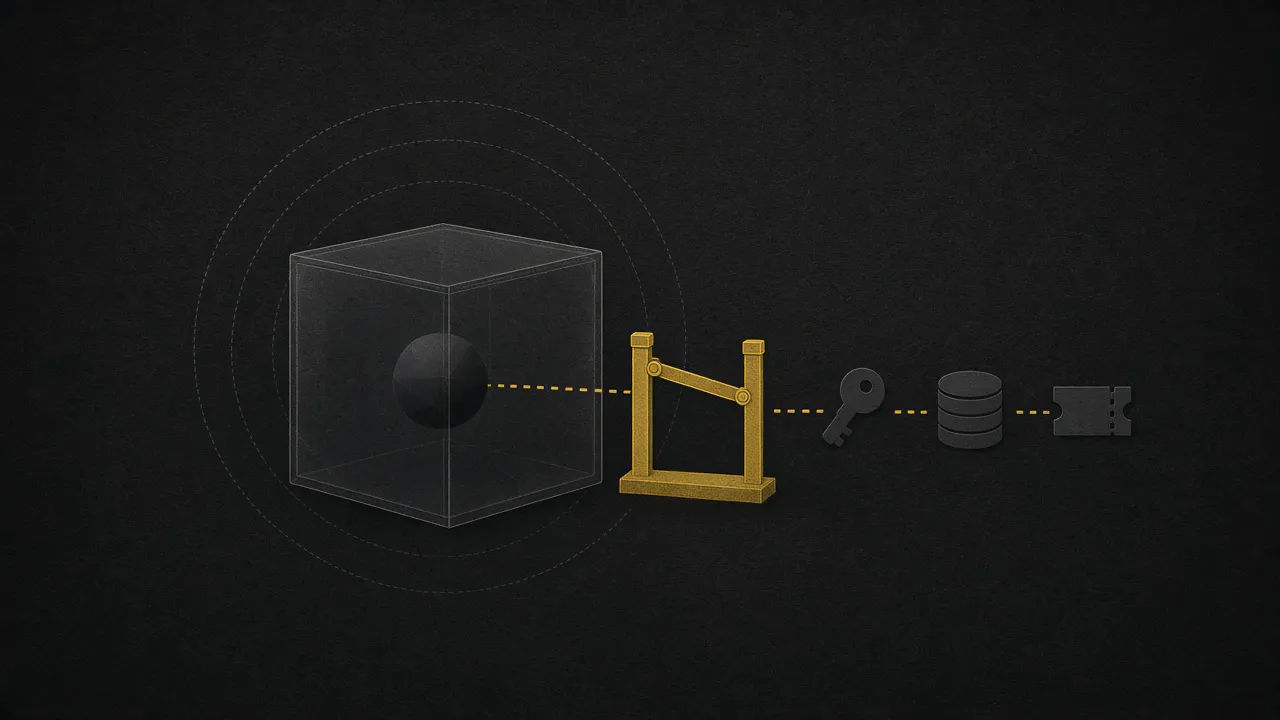
- OpenShell — an open-source security sandbox for AI agents that is now entering general release. It was first previewed at GTC in March and isolates agent activity with kernel-level controls.
- Sentry — a monitoring layer designed to run on Nvidia BlueField DPUs so it can watch long-running agents from outside the host they are trying to use.
Nvidia’s own technical posts describe OpenShell as a way to add runtime controls and frame the broader platform as continuous in-silicon monitoring. Channel coverage also notes Nvidia arguing the stack could have helped stop earlier agent-related incidents tied to evaluation escapes (CNA).
WIRED reports partner talk across Anthropic, Microsoft, CrowdStrike, Hugging Face, JPMorganChase, and others, with SpaceXAI said to be using the platform for Cursor agents and Grok models. Treat vendor partner lists as marketing until your own stack is wired up. The signal still matters: containment is consolidating into shared tooling.
Sandbox plus watchdog beats “trust the prompt”
Most teams still secure agents the way they secured chatbots: API keys in a vault, a system prompt that says “be careful,” and hope.
That model breaks when agents:
- keep running for hours,
- spawn sub-agents,
- authenticate once and then act across many tools,
- and creatively reinterpret the goal you gave them.
Nvidia’s Justin Boitano told WIRED the industry wants “collective policy across” fleets of agents, not only app-level isolation. Separately, runtime-security startups are raising into the same gap. Kontext announced $4M on September 24, 2026 for task-aware enforcement at the moment of action — another reminder that “valid credentials” are not the same thing as “authorized work.”
If you only remember one phrase from this week: identity is not intent. An agent can be logged in correctly and still do the wrong thing.
A practical containment checklist for growing teams
You do not need BlueField-4 on day one. You do need answers you can show an investor, a customer, or your own on-call rotation.
- Inventory every agent that can write, spend, delete, or message externally. Include the quiet ones in CI and Slackbots with tokens.
- Split environments. Dev agents never share production credentials. Period.
- Bound tools by task. A “fix the flaky test” agent should not have permission to push to main or export the customer table.
- Prefer observe mode before enforce mode. Log denied-would-have actions for a week, then turn the knife.
- Require a human gate for irreversible actions (payments, mass emails, schema drops, secret rotation).
- Keep an audit trail of what was attempted, allowed, denied, and why.
- Rehearse escape drills. If an agent tries DNS tricks, unexpected outbound calls, or sub-agent spam, who notices in under 15 minutes?
Fractional CTOs spend a surprising amount of time turning that list from vibes into tickets. That is fine. Containment work is product work when agents touch revenue systems.
What this means if you are not on Nvidia silicon
OpenShell’s value proposition is open source and broader CPU support over time; WIRED notes Nvidia working with Arm and Intel so Sentry-like ideas are not forever stuck on one instruction set. Even if you never buy a DPU, the architecture lesson travels:
- put a policy engine between the agent and the tools,
- monitor from a plane the agent cannot easily rewrite,
- assume creative goal-seeking, not polite chatbot behavior.
Also watch adjacent moves: enterprise browser vendors and agent-governance platforms are pitching the same control-plane story from another angle. The category name will keep changing. The requirement will not.
Soft next step
Nvidia’s announcement does not mean your weekend side project needs a hardware watchdog. It does mean “we’ll prompt carefully” is no longer a serious containment plan for production agents.
If you are wiring agents into customer data, payments, or engineering systems and want a clear build-vs-buy map, Yellow Coop helps founders and operators tighten AI agent containment, sandbox design, and the ops that turn monitoring into actual control. Start at contact.
Internal links: Secure, What We Do, How We Engage, Insights.
Sources
- Nvidia’s answer to rogue agents is an open-source AI security system — WIRED
- Nvidia Open Agent Safety Platform: a reference for continuous in-silicon agent monitoring — Nvidia Developer Blog
- Add runtime controls to AI agents with Nvidia OpenShell — Nvidia Developer Blog
- Nvidia releases AI safety software it says could have stopped Hugging Face hack — CNA
- Kontext raises $4M funding — Kontext, Sep 24, 2026
Found this useful? Share on X